


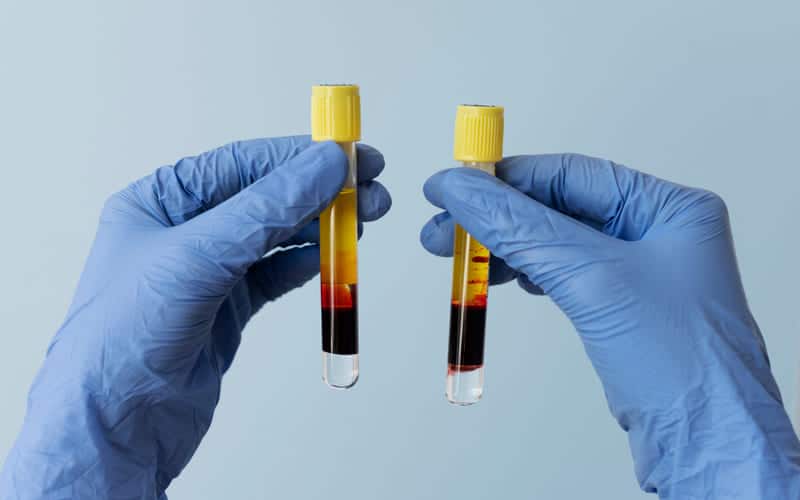
PRP (Platelet-Rich Plasma) therapy has grown in popularity recently due to its potential to stimulate healing and tissue regeneration in various medical applications. As a patient seeking PRP therapy, it is critical to understand how long the treatment’s benefits will last. This blog article will explore the factors influencing PRP treatment duration, short-term and long-term effects, maintenance and follow-up, and how to set realistic expectations.
Factors Affecting Duration Of PRP Treatment:
1. Patient’s condition and health:
The length of PRP therapy can be considerably influenced by each patient’s general health and individual ailment. Age, underlying medical issues, and lifestyle all have a part in deciding how long the benefits will remain. Healthier people with a strong healing response may have longer-lasting effects.
2. Specific area being treated:
The therapy site affects the duration of PRP effects. For example, PRP injections for joint discomfort may provide relief for several months, while treatments for skin rejuvenation may require more frequent maintenance sessions.
3. Lifestyle and activity level of the patient:
Physical activities or behaviors that place stress on the treated region might shorten the life of the PRP therapy. Following correct post-treatment instructions and avoiding undue strain will help extend the results.
Duration Of Relief:
1. Short-term relief:
Patients who receive PRP therapy may see instant benefits that give short-term respite. This usually lasts a few weeks to a few months.
2. Long-term relief:
PRP therapy can provide long-term relief and short-term comfort. Depending on the individual and their exact condition, the length of this respite might range from several months to years.
3. Severity of the condition:
The length of alleviation might be affected by the treatment’s initial severity. Chronic illnesses may necessitate more regular maintenance treatments than acute injuries or lesser cases.
4. Treatment protocol:
The treatment regimen can influence the alleviation duration, which includes the amount and frequency of PRP treatments suggested by the healthcare professional. A personalized treatment plan that considers the patient’s specific demands and reaction to therapy can improve outcomes.
5. Individual response:
Because each person’s body and healing process is unique, the duration of alleviation might vary from person to person. The duration of the results of PRP therapy might be influenced by factors such as underlying health, lifestyle, and general healing capability.
6. Maintenance treatments:
Follow-up consultations may be required to maintain and even improve the results of PRP therapy. These sessions allow healthcare practitioners to monitor progress, assess the efficacy of the treatment, and make any necessary modifications.
Additional PRP treatments may be advised to maintain the desired level of relief. It is crucial to remember that various circumstances can impact the length of alleviation, and the outcomes may vary from person to person. Consultation with a healthcare specialist familiar with PRP therapy can give personalized advice on the size of alleviation.
Factors Contributing To The Duration Of Relief:
1. Severity of the condition:
The length of alleviation can be influenced by the severity of the ailment being treated at the outset. Chronic illnesses may require more regular maintenance treatments than acute or moderate injuries.
2. Treatment protocol:
The quantity and frequency of PRP treatments advised by the healthcare professional might affect the length of remission. A personalized treatment plan that considers the patient’s specific demands and reaction to therapy can improve outcomes.
Maintenance And Follow-Up:
1. Follow-up appointments:
Following PRP therapy, it is critical to schedule regular follow-up sessions. These sessions allow healthcare providers to track your progress, assess the efficacy of your therapy, and make any required modifications.
2. Monitoring progress:
Your healthcare practitioner will evaluate how well you respond to the therapy at follow-up sessions. They will determine whether the expected outcomes were obtained and whether more treatments are required.
3. Adjustments and additional treatments:
Your healthcare professional may change your treatment plan based on your progress and reaction to PRP treatment. This might include changing the frequency of treatments or adding supplemental therapy to improve outcomes.
4. Maintenance sessions:
Periodic maintenance sessions may be required to sustain the results of PRP therapy. These sessions can assist in extending the advantages and ensuring long-term alleviation. Your needs and the treatment condition will determine the number of maintenance sessions.
5. Importance of compliance:
Attend all planned follow-up appointments and follow the maintenance plan advised by your healthcare professional. Compliance with these sessions and recommendations will maximize the PRP treatment’s efficacy and duration.
Remember that remaining in touch with your healthcare practitioner frequently, according to the follow-up plan, will assist in optimizing your outcomes and guarantee you reap the maximum benefits of PRP therapy.
PRP therapy time varies from patient to patient and is determined by numerous factors such as general health, specific problems, and lifestyle. Short-term relief provides instant benefits, but long-term relief might persist for months or years. Maintenance and follow-up consultations are critical for optimizing and maintaining the results of PRP therapy. Patients may make educated decisions and get the best potential outcomes by setting reasonable expectations and recognizing the individualized nature of PRP treatment duration.
Expert Oral Care at Your Fingertips
Experience exceptional oral care tailored to your needs. Contact us to schedule an appointment and explore the transformative possibilities for your oral health. Your brighter smile is just a call away.
